Teaching Science Without a Science Background
Teaching science without a strong science background can be very scary!

written by
Karen Sinai
Teaching Science Without a Science Background
August 2025
With the teacher shortage, many elementary and middle school teachers come from non-science backgrounds. Here are some tips with an emphasis on developing curiosity, more than being a science expert. Hopefully I can take some of that fear away.
Shift Your Mindset From Becoming An Expert to Being A Learner
We are so used to the model of the “teacher knows everything” and only does frontal teaching. If you allow yourself to set up questions of curiosity, you can learn right along with the students. It can be very difficult at first to shift your mindset! You do not need to be the one giving over all of the information all the time. It’s helpful to normalize the idea that not knowing something is how scientists discover things.
Choose a High Quality Curriculum
Start with your state standards and look for resources that explain exactly how the standards are being covered. Try to find detailed backgrounds and possibly even a script. You can find many pre-made lessons on my Teachers Pay Teachers along with many other resources online.
Make sure you go over the lessons ahead of time so that you can identify your own learning gaps. You may be surprised at how much you actually do remember!
Build Your Knowledge Bit by Bit
Even veteran teachers turn to resources when we’re tackling those tricky subjects that we only teach once a year. For a long time, I had to re-teach myself the mechanics of chemical bonding. I would go on YouTube for a couple of minutes before we started the unit and I was good to go. You can watch videos by Bill Nye, Ameoba Sisters, Crash Course Kids, Science Show Kids and so many others.
I remember many years ago when I used to bring my eighth grade students into the school library for them to research different projects. They would gravitate towards the books that were too young for them. When I asked them why they were using them they said it’s the best way to learn the topic quickly.
You know what? They were absolutely right. Look for the books that do the best explaining Get the basic concept down first, and then expand the concept with higher level information.
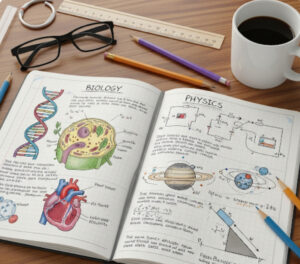
In my opinion, the most important thing to do is keep up running notebook of science terms and explanations as you learn. Pretend you are actually taking a class on the topics that you need to teach and you need to take good notes for the “test”. You will refer to this notebook less and less as the years go by. It is a nice safety net that keeps you from having to go back and re-researching every year. You will find that the first year is difficult, but then it becomes fun to learn!
No Need to Lecture. In Fact, You Shouldn’t
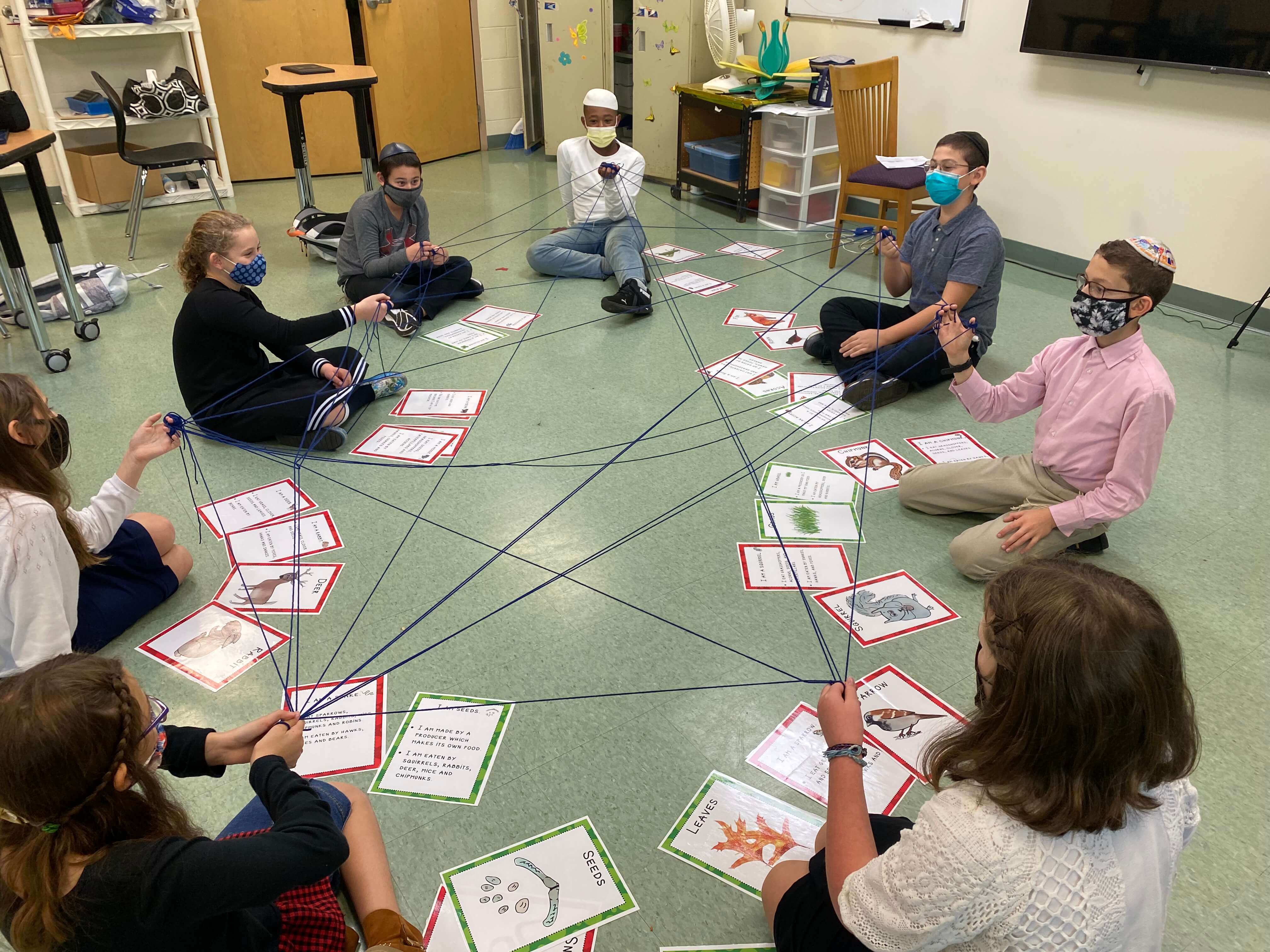
We should all be teaching more phenomenon based concepts, such as “why does soda explode when shaken?”. Let the students figure it out. Set up the curiosity question using phrases like “I notice..” or “I wonder..” to get them thinking.
Many years ago, when I worked in a nature center, I had a mentor who said something that has stayed with me for a very long time. We were guiding a school group through the woods and they found a sticky mess of bubbles stuck to a plant stem. They were excitedly looking at it and asking questions. One of their teachers said “Oh, that’s a spittlebug nest.” I watched the kids step back, lose interest. and then just move on. By giving the instant answer, they lost all their curiosity and were ready for the next item.
My mentor said we should try our best to not name everything immediately. Let students explore and find out as much as they can about it before they arrive at the answer. I have always tried to teach with this in mind. I hated seeing their curiosity just deflate.
Use the 3 P’s To Get Ready For Science Class
The first “P” is to preview the concept. Make sure you have read all of the student materials ahead of time, know the key vocabulary and look up anything at all that you don’t understand. It is guaranteed that if you don’t understand something then the students won’t either.
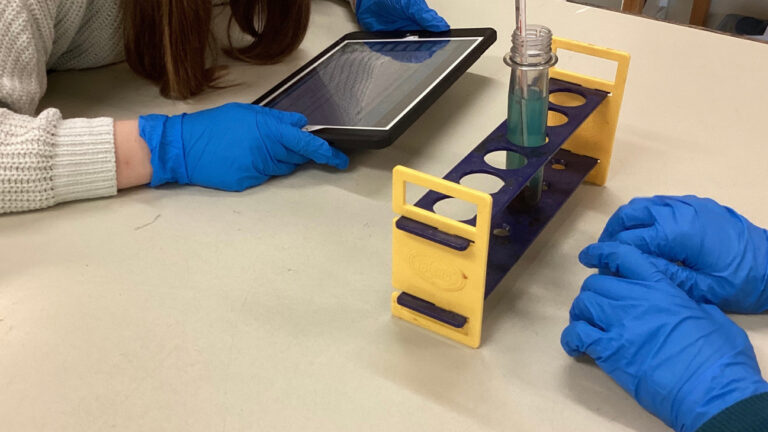
The second “P” is practice. You must do the activity first so you can troubleshoot all kinds of possible student errors. Once again, if you struggle with it, they will struggle more with it. Planning Lab Activities For Middle School Science Class
The last “P” is predict student misconceptions. Think about what could go wrong, such as mixing up mass versus weight, and have explanations or even visuals ready to help them out. Maybe, before you practiced, YOU had misconceptions that you can now clear up for the students.
Use Tools To Make You Look Like A Pro
Anchor charts and diagrams are awesome for learning tricky concepts, but it also keeps the information in front of you so that you can build on it.
Use simple models, such as paper plates for plate tectonics or balloons for lungs, to help you get across concepts. You can use foldables, graphic organizers, and lab sheets with very clear instructions so that the students feel confident as they learn.
Hand out well structured rubrics before you start projects along with daily progress check ins. Students will respect your organization it will be easier for you to grade. Science Projects-10 Questions to Ask yourself Before Assigning One.
Involve Yourself in the Science Community
If you have science colleagues, ask if you can observe their labs and ask questions about how they structure their class. You can join online teacher groups on Facebook, NSTA, NGSS Facebook communities and even middle school teaching groups to help you with that age group.
Encourage Student Ownership of Their Learning
You don’t need to be the person who answers the questions all the time. When you put the kids into lab groups, make sure that you have a materials manager, a vocabulary person, recorder, etc. Encourage the students to ask the people in their group before they come to you.
For more ownership, you can have the students research a small part of the unit that you are working on and present it to the class. For example, if you’re working on plate tectonics, you could have one student research only converging boundaries and teach it to the class.
Reflect After Each Unit
You may have seen in my other posts to see that I am a big advocate of reflection journals for every teacher. What went well? What needs tweaking? What would you change next year?
You’re not going to remember this information from year to year. After every class leaves my room I jot down what I did with them. This is especially helpful if you have multiple sections of the same grade coming in throughout the week. It can be tricky to remember what you covered or didn’t cover. 7 reasons Why You Should Keep a Teacher Journal

Conclusion
Science teachers do not need to be scientists. They just need to be willing to learn and be good classroom leaders. Our job is to get that curiosity sparked! The concepts will fall into place naturally if we get students asking questions. We can also not worry about saying that we’re not sure about an answer. Instead say “Let’s research it together”.
Please take advantage of this blog, which has many posts on how to teach different units, plus quite a few freebies for you to use. There are lots of activities on my Teachers Pay Teachers store that will make your life so much easier, even with little to no science background.